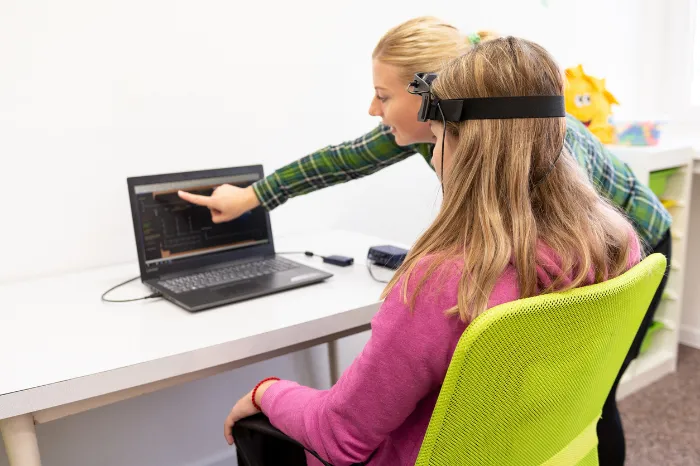
Attention-Deficit/Hyperactivity Disorder (ADHD) is one of the most common neurodevelopmental disorders, affecting both children and adults. While traditional ...
Many adults assume attention difficulties at work mean they’re stressed, overwhelmed, or simply not trying hard enough. Missed deadlines get labeled as ...
Burnout is typically tied to a role or environment. Depression is more pervasive and affects self-worth, mood, and outlook across situations.
Winter can be a challenging season for many individuals. Long stretches of cloudy weather, and limited access to natural light can contribute to shifts in mood.
As individuals look ahead to 2026, building a clear and supportive plan for managing anxiety can create more stability and confidence throughout the year.
When medication alone does not bring improvement, individuals often begin exploring additional evidence-based options.
Seasonal Affective Disorder, often shortened to SAD, is a type of depression that follows a predictable pattern.
Loneliness is more than being alone. It is the experience of feeling disconnected, unseen, or unsupported, even when others are around.
As the fall months arrive, shorter days and reduced sunlight often affect mood and energy. For some, these seasonal changes bring mild irritability or fatigue.